
Protecting bees means protecting our future.
Bees and pollinators support biodiversity and food production. Every project is born to generate a positive impact on people, territory, and the environment.
Our goal is to raise awareness, protect biodiversity, and support those who take care of pollinators every day.
Read the six principles ↓Bees and pollinators support biodiversity and food production. Every project is born to generate a positive impact on people, territory, and the environment.
We believe that anyone should be able to learn about and support the world of bees, even without being a beekeeper.
We learn best when we experience things firsthand. That's why we create experiences, tools, and paths that bring people closer to nature.
Every Beeing initiative is created to enhance the work of beekeepers and strengthen local economies.
We develop simple, concrete solutions that help companies, schools, and citizens contribute to the protection of pollinators.
We turn sustainability into verifiable actions, monitoring results and creating real environmental value.
Our mission
We help beekeepers by designing sensors that support them in bee management.
We support beekeeping through the hive adoption program.
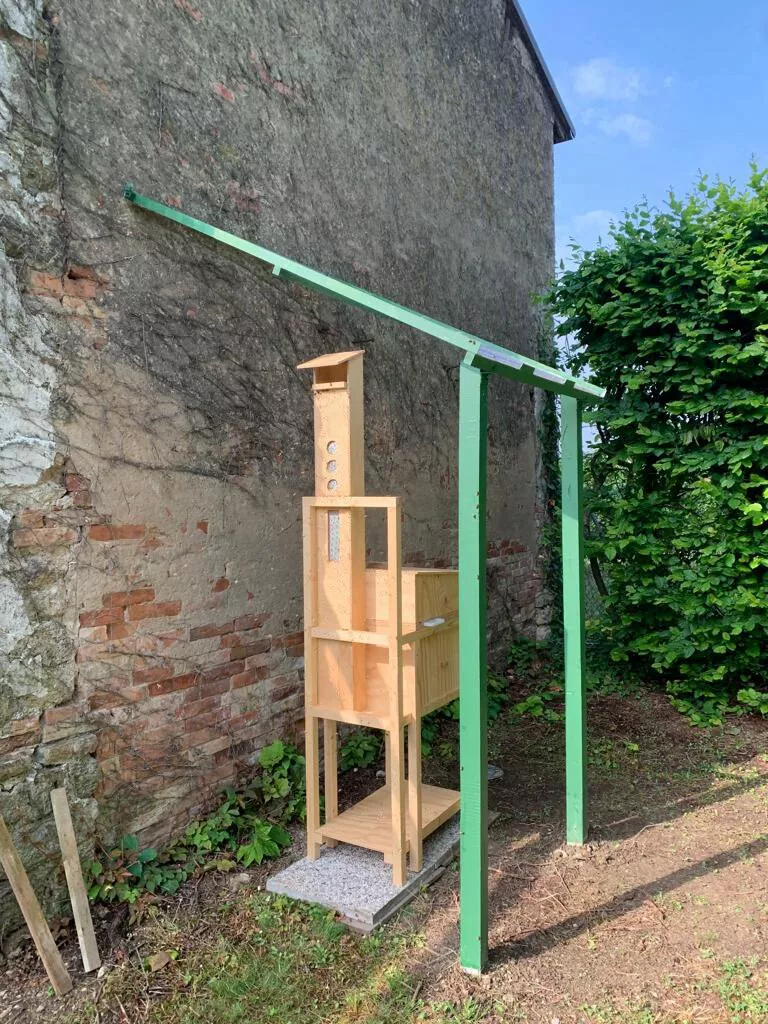
We simplify urban and hobby beekeeping with B‑BOX.
We create urban apiaries to raise public awareness about the importance of bees.
At the core of everything, sustainability
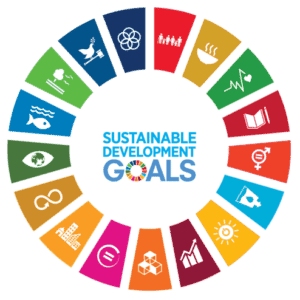
Our solutions for creating bee-friendly cities - and bees themselves - contribute directly or indirectly to 15 of the 17 UN SDGs.
Beekeeping provides economic diversity as a source of income and helps build resilient livelihoods for poor and vulnerable populations, with more equitable access to resources for men and women.
Bee pollination increases crop yields and improves the nutritional value of fruits, vegetables, and seeds.
Bee products provide safe, accessible medicinal sources used in traditional and modern medicine. Pollination contributes to plant diversity, which is also important for air quality.
Vocational training for beekeeping improves equal opportunities for work, training, and entrepreneurship among men, women, and indigenous populations.
Keeping bees as a hobby or working in beekeeping increases opportunities for women's involvement in economic, social, and political decision-making processes.
Pollination contributes to the diversity of water-related ecosystems, such as mountains and forests. Reforestation offers new resources for bees and supports regional water supply.
Bee pollination improves the production of oilseed crops used as biofuel, such as sunflower, rapeseed, and canola.
Improved agricultural production from pollination contributes to national GDP. Beekeeping diversifies livelihood opportunities in rural areas and supports eco-tourism.
Bees inspire human innovations - from airplane design to computer algorithms - and new honey-related products.
Livelihoods from beekeeping and pollination's contribution to GDP support income growth for low-income groups, promoting inclusive development.
Bees are useful in monitoring air quality in urban areas and enhance pollination and self-sustainability in urban gardens and public open spaces.
Pollination reduces food waste by improving the aesthetics and shelf life of food. Beekeeping can be valued as sustainable tourism.
Using bees and their products for environmental monitoring improves understanding of climate impacts on the environment.
Bees can help improve the production of plant-based sources of compounds commonly found in fish, helping manage pressure on fishing.
Bees contribute to biodiversity by pollinating trees and flowering plants; beekeeping supports forest conservation and reforestation activities.
From the founders
"When we built the first B‑BOX in the garage, we weren't thinking about selling hives. We wanted to put bees back where we had pushed them away. That is still the question we ask ourselves every morning: are we giving back, or are we just borrowing?"Roberto · Gabriele Garavini
Want to be part of it?